

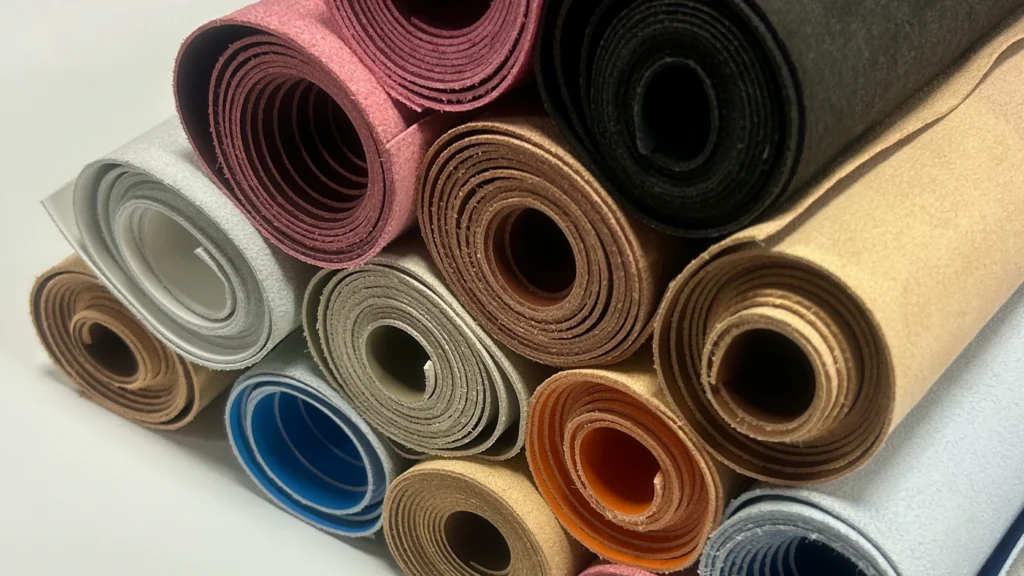
Many sofa buyers struggle with colors, materials, and budgets, which often delays real purchasing decisions.
I helped my Malaysian customer finalize the right PU leather sofa solution through patience, material education, AI visualization, and stable communication over an 11-day buying journey.
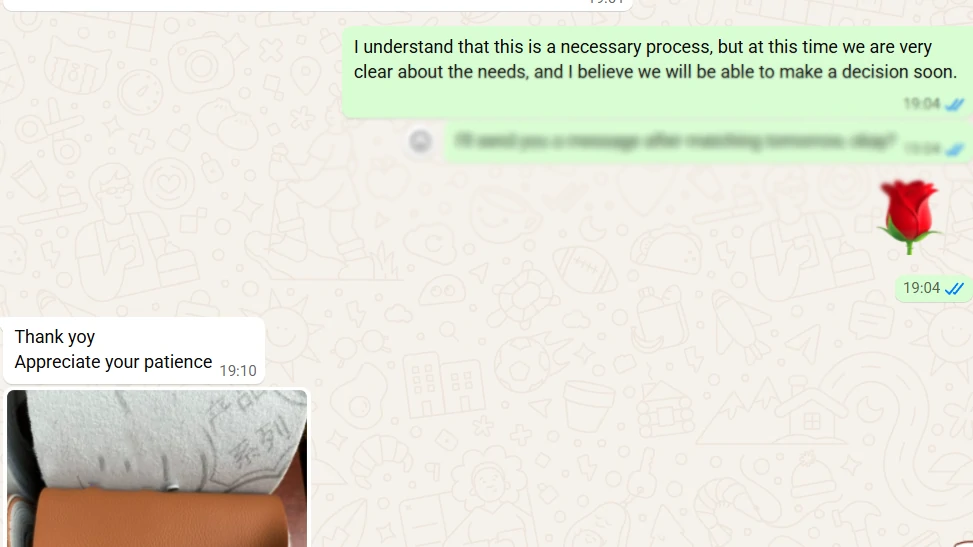
From April 28 to May 9, I worked closely with a Malaysian customer who wanted to renovate his sofa. At first, the project seemed simple. He requested 28 meters of beige PU leather, and I quickly prepared the PI. However, international furniture projects often become more complex once renovation teams, household design preferences, and real-life visual expectations are involved. That same evening, the customer paused the order because he needed to reconfirm measurements with his renovation team. Days later, once quantity was confirmed, a more difficult process began: color selection. This stage became the real challenge. Through multiple video calls, repeated color comparisons, and detailed material education, I realized that selling sofa leather is not simply about offering material. It is about helping customers make emotionally and visually satisfying long-term decisions.
How to choose the best PU leather for sofa upholstery?
Choosing the wrong sofa leather can create regret, wasted money, and poor home design harmony.
The best PU leather should balance softness, realistic leather feel, budget, texture preference, and color compatibility with the customer’s living space.
Why my customer finally selected PU leather
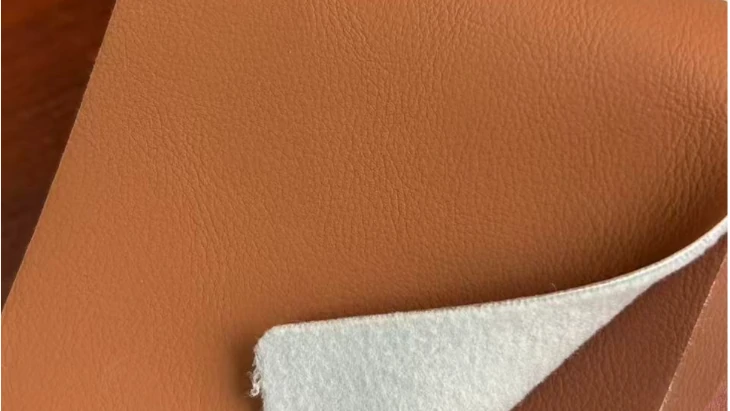
During this project, I introduced PU leather, PVC leather, and microfiber leather to my customer. Each material had its own strengths, but PU leather became the final choice because it offered the best practical balance. Compared with PVC, PU leather feels softer, smoother, and more natural to the touch. It gives a more genuine leather-like experience, which many home users prefer. Compared with microfiber leather, PU often provides a more budget-friendly solution while still offering attractive aesthetics. My customer wanted a product that looked elegant, felt comfortable, and stayed within budget. PU leather fit these needs well. I also explained that high-quality PU leather usually produces minimal odor during burn testing, which gave the customer more confidence in its quality. For buyers who want a leather-like sofa experience without paying genuine leather prices, PU leather often becomes the smartest compromise.
| Material | Advantages | Limitations |
|---|---|---|
| PU Leather | Soft, smooth, leather-like, affordable | Not as durable as top microfiber |
| PVC Leather | Durable, economical, public-use friendly | Less soft |
| Microfiber Leather | Premium durability, luxury feel | Higher price |
PU vs PVC vs microfiber leather: Which is better for sofa renovation?
Material confusion can cause buyers to delay decisions for days or even weeks.
PU leather is often ideal for residential sofa renovation, PVC suits commercial environments, and microfiber works best for premium projects with larger budgets.
How I guided the customer through material comparison
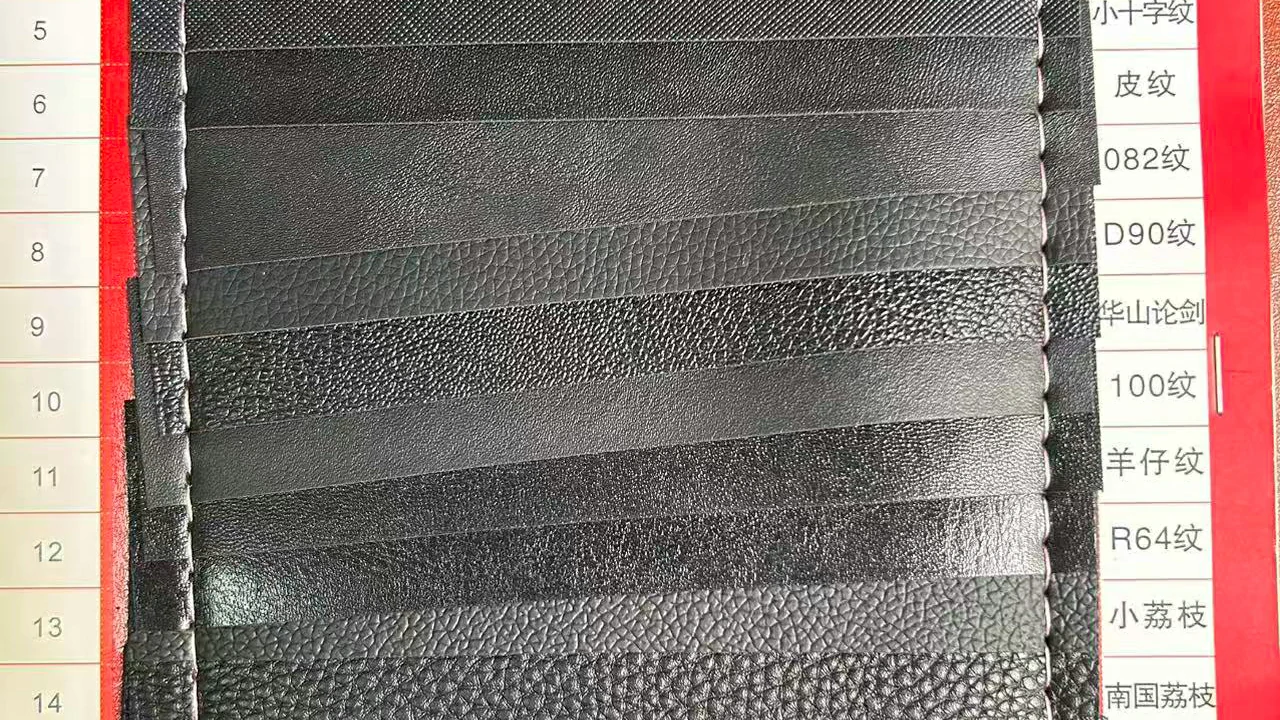
My customer was highly cautious. I spent significant time comparing all three materials because his final choice would impact comfort, appearance, and budget. PVC leather was a practical option for high-traffic environments because of its durability and easier maintenance. However, for private home furniture, PU leather often provides superior softness. Microfiber leather offered strong performance and luxury, but budget became a limiting factor. I understood that customers do not simply buy technical specifications. They buy emotional confidence. By clearly explaining the touch feel, maintenance expectations, and pricing differences, I helped him make an informed decision. This process reminded me that customer education is often more important than aggressive sales pressure. Buyers need clarity, not confusion.
| Material Type | Best Use | Price Level |
|---|---|---|
| PU Leather | Home sofas | Mid-range |
| PVC Leather | Commercial seating | Lower |
| Microfiber Leather | Luxury furniture | Higher |
What thickness and texture should you choose for sofa leather?
Ignoring texture and thickness can lead to poor comfort and design dissatisfaction.
For sofa renovation, buyers should prioritize texture preference, durability expectations, and budget when selecting leather thickness and surface grain.
Why texture and thickness strongly influence buying decisions
During this customer project, I learned again that leather selection goes far beyond color. Texture was equally important. Most sofa buyers commonly prefer lychee grain or smooth grain. Lychee grain offers a more textured, practical appearance and often hides minor wear better. Smooth grain can create a cleaner and more contemporary visual effect. Thickness also affects both durability and price. Thicker leather often feels more substantial and premium, but it increases total project cost. Buyers must balance comfort expectations with budget limitations. I explained these factors clearly to my customer so he could understand why some options cost more than others. This educational approach helped reduce uncertainty and strengthened trust.
| Factor | Buyer Consideration | Cost Impact |
|---|---|---|
| Texture | Lychee or smooth | Moderate |
| Thickness | Durability and softness | High |
| Color | Interior matching | Variable |
How to match sofa leather colors for modern home furniture?
Color indecision often delays orders more than material selection itself.
Successful sofa color matching requires balancing customer taste, home design compatibility, and realistic product visualization.
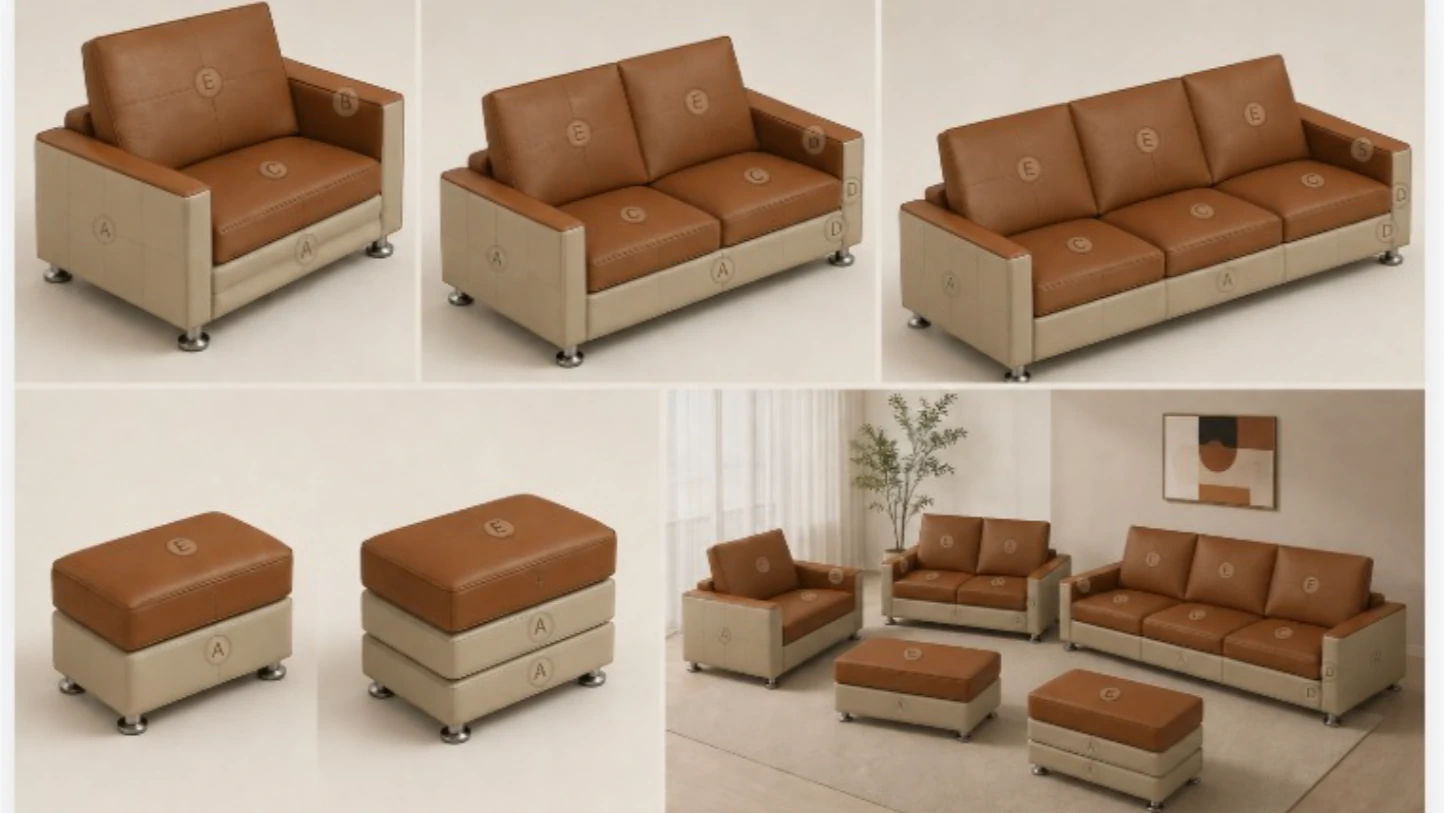
How AI visualization helped close the order
The most critical turning point came when my customer struggled to finalize color combinations. We moved from beige to brown, then to a two-tone custom solution. He wanted his renovated sofa to fit his home environment better. This level of uncertainty is common in furniture renovation. Instead of relying only on sample swatches, I used AI-generated sofa renderings to show him realistic finished product visuals. This dramatically improved his confidence. He could finally see how brown and beige would work together in practice. Once visual uncertainty was removed, the decision became much easier. He ultimately selected a brown and beige combination because it matched his home more effectively. This experience reinforced an important lesson for me: modern sales increasingly require visualization support, not just product supply.
| Color Strategy | Visual Effect | Customer Benefit |
|---|---|---|
| Single color | Simple consistency | Easier selection |
| Two-tone design | Higher customization | Better home integration |
| AI visualization | Realistic preview | Higher decision confidence |
Beyond leather, the customer also trusted me to source sofa accessories including stainless steel legs and headrests. Although this was not our main product category, I viewed this as proof of trust rather than inconvenience. In international business, patience and emotional stability often determine whether a buyer proceeds or disappears. I also adjusted shipping from air freight to sea freight after the customer researched lower costs. This flexibility helped preserve the order while aligning with his budget. Through this project, I strengthened my belief that successful global sales are built on patience, adaptability, product expertise, and genuine customer support.
Conclusion
Patience, expertise, and visual guidance transformed uncertainty into trust, helping my customer confidently complete his sofa renovation order.