
Wrong material choices can ruin seat comfort, raise costs, and delay production.
PU automotive leather usually ranges from 0.9mm to 1.4mm, with foam thickness from 2mm to 8mm depending on vehicle grade, comfort targets, and seat structure.
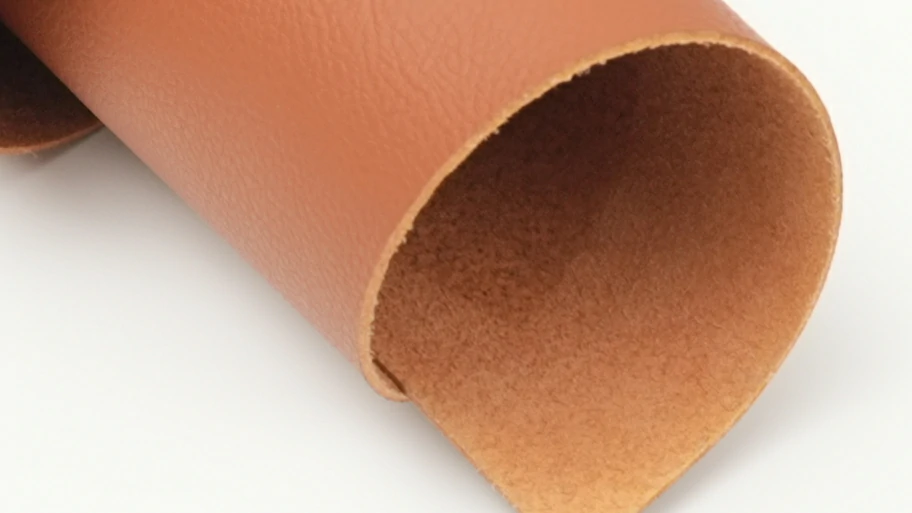
Yesterday, I visited an automotive leather design production facility . What I saw gave me a much deeper understanding of how complex automotive seat manufacturing truly is. Many buyers only focus on leather type or thickness, but real production includes far more factors such as pattern sizing, foam selection, stitching precision, logo integration, elasticity matching, and customer-specific design preferences. This process can become surprisingly technical. A small mismatch in leather softness, foam rebound, or stitching execution can directly affect the final seat appearance. Some patterns wrinkle during prototyping. Some stitching lines fail to meet luxury standards. Some colors deviate from customer expectations. This is why automotive seat production is not simply about material purchasing. It is about system-level coordination.
What type of foam is used in automotive seats?
Choosing the wrong foam thickness can destroy both comfort and appearance.
Automotive seats commonly use laminated foam ranging from 2mm to 8mm, depending on whether the application is decorative, functional, or luxury-oriented.
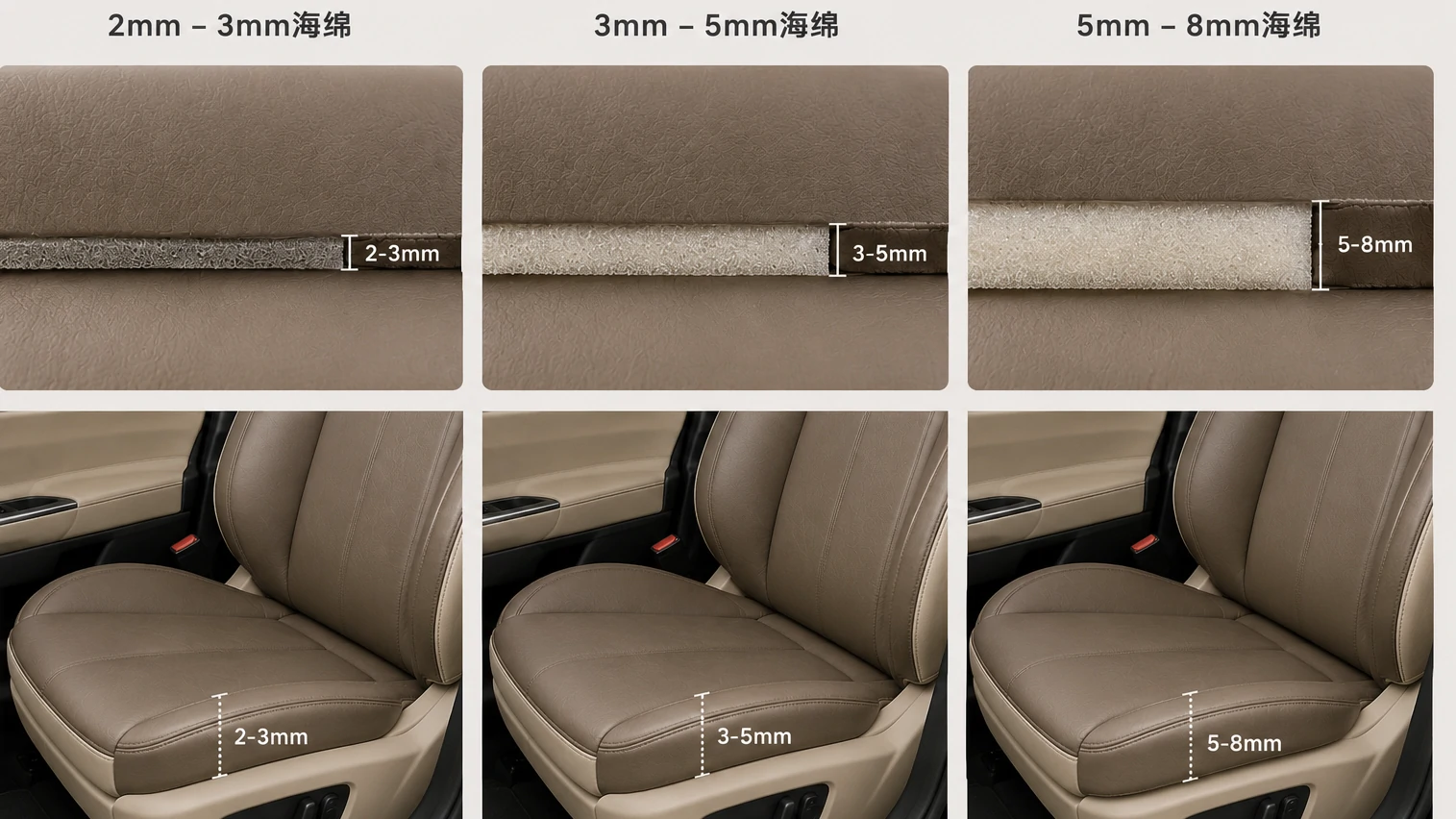
Common automotive foam structures in seat production
From my visit, I learned that foam backing is one of the most important structural elements in automotive leather design. Foam directly affects softness, seat rebound, visual fullness, and stitching depth. Dry-process PU without foam is often used for hard panels, door panels, or decorative trim where softness is not the priority. For armrests or side panels, 2mm to 3mm foam is common because it adds slight cushioning while preserving structure. Standard passenger car seats usually use 3mm to 5mm foam because this range offers balanced comfort and manageable production cost. Luxury vehicles or premium seating projects often use 5mm to 8mm foam to create deeper softness, richer contour, and enhanced seating comfort. However, thicker foam also requires more precise lamination, stronger adhesive systems, and better pattern engineering to prevent wrinkling or collapse. I now better understand that foam is not simply an added layer. It is a major determinant of both visual design and end-user comfort.
| Foam Thickness | Typical Application | Production Focus |
|---|---|---|
| No foam | Door panels, decorative trim | Structural firmness |
| 2mm–3mm | Armrests, side panels | Moderate softness |
| 3mm–5mm | Standard car seats | Balanced comfort |
| 5mm–8mm | Luxury seating | Maximum comfort |
What is the process to produce the seat’s foam?
Poor foam production can lead to dents, weak bonding, and seat failure.
Seat foam production involves material selection, lamination, cutting, elasticity matching, and repeated pattern testing before stable mass production begins.
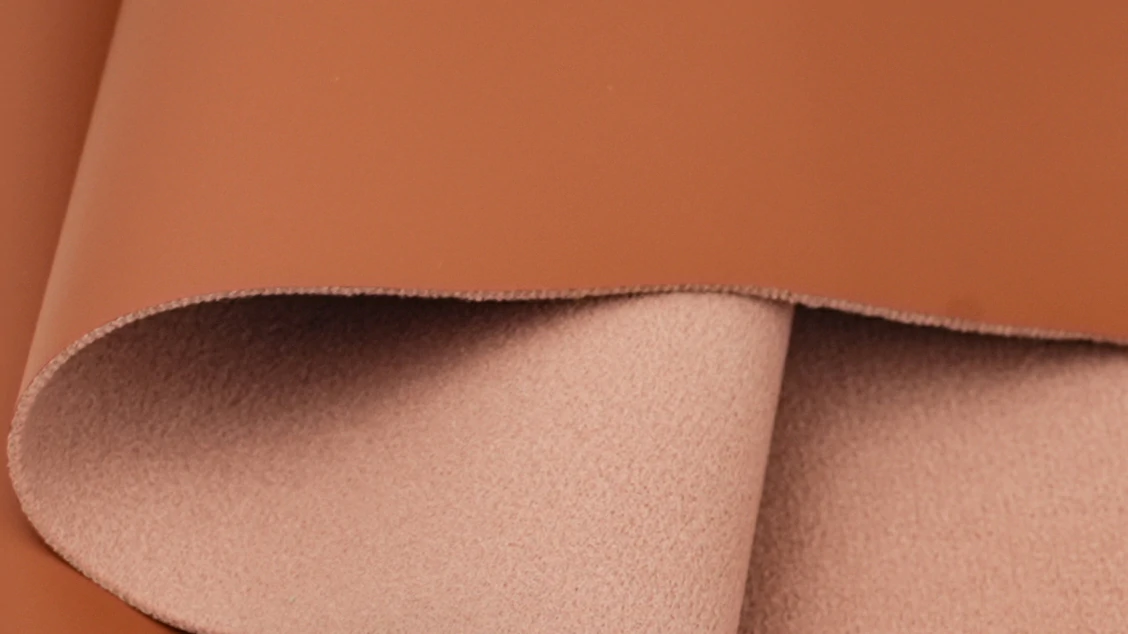
Why foam lamination requires repeated prototyping
One key lesson from my visit was that seat production is highly dependent on repeated prototyping. Foam cannot simply be attached to leather without considering elasticity compatibility. PU leather, PVC leather, and foam layers each behave differently under pressure, heat, and stitching. If the leather stretches differently from the foam, wrinkles or visible depressions may appear. During prototyping, manufacturers continuously adjust dimensions, stitching channels, and material combinations to correct these defects. Adhesive choice is equally important. Different glue systems produce different bonding strength, softness retention, and long-term durability. Weak adhesive may create delamination. Excessive adhesive may reduce softness. The foam must also match intended sewing depth, logo design, and contour shaping. I realized that producing automotive seat foam is not only about thickness. It is about engineering a stable composite system that balances softness, design precision, and long-term resilience.
| Production Step | Purpose | Potential Risk |
|---|---|---|
| Foam selection | Comfort design | Wrong density |
| Lamination | Material bonding | Delamination |
| Pattern prototyping | Wrinkle control | Poor fitment |
| Final stitching | Design execution | Visible defects |
How thick is automotive leather?
Incorrect leather thickness can undermine durability and customer perception.
PU automotive leather for car seats generally ranges from 0.9mm to 1.4mm, with thickness varying by vehicle market segment.
Thickness standards by vehicle class
From my experience and this factory visit, thickness selection is highly strategic. For low- to mid-range vehicle programs, PU leather thickness commonly falls between 0.9mm and 1.1mm. This range balances affordability, acceptable softness, and production efficiency. For mid- to high-end models, thickness often increases to 1.2mm to 1.4mm. This extra thickness improves tactile softness, perceived luxury, and durability. However, thicker material also raises cost and may complicate sewing precision. Material thickness must also match the selected foam and backing system. Excessive total thickness can reduce production efficiency and complicate seam execution. Thin leather may save money but may not satisfy customer expectations for softness or visual premium quality. This balance is critical. I now understand why seat manufacturers spend significant time refining thickness combinations before final approval.
| Vehicle Type | Leather Thickness | Primary Goal |
|---|---|---|
| Economy vehicles | 0.9mm–1.1mm | Cost efficiency |
| Standard vehicles | 1.0mm–1.2mm | Balanced performance |
| Luxury vehicles | 1.2mm–1.4mm | Premium comfort |
What to use to sew car seats?
Low-quality stitching can ruin even premium leather materials.
Automotive seat sewing commonly relies on precision industrial stitching, manual detailing, and laser or stitched logo integration based on design complexity.
Why stitching craftsmanship strongly affects final value
One of the most impressive lessons from this visit was how much craftsmanship impacts product value. Many seat designs require extensive manual cutting and stitching, especially in detailed seam channels or two-tone seat designs. Manual stitching creates cleaner visual lines and more refined luxury appeal, but it also significantly raises labor cost. Automated processes can improve efficiency, but they may not always match premium aesthetic expectations. Customer logos can be added through stitched embroidery or laser printing, depending on design style and budget. Each customer has different expectations. Commercial-use vehicles often prioritize durability and cost, making PVC a logical option. Private vehicle owners usually prefer PU leather for softness and tactile refinement. I now better appreciate that sewing is not simply assembly. It is one of the final factors that determines whether a car seat appears budget-level or premium.
| Method | Advantages | Trade-Off |
|---|---|---|
| Manual stitching | Fine detailing | Higher labor cost |
| Machine stitching | Higher efficiency | Less refined detail |
| Laser logo | Modern precision | Design limitations |
| Embroidered logo | Premium appearance | Higher complexity |
Conclusion
PU automotive leather success depends on thickness, foam, stitching precision, and full-system material compatibility.