
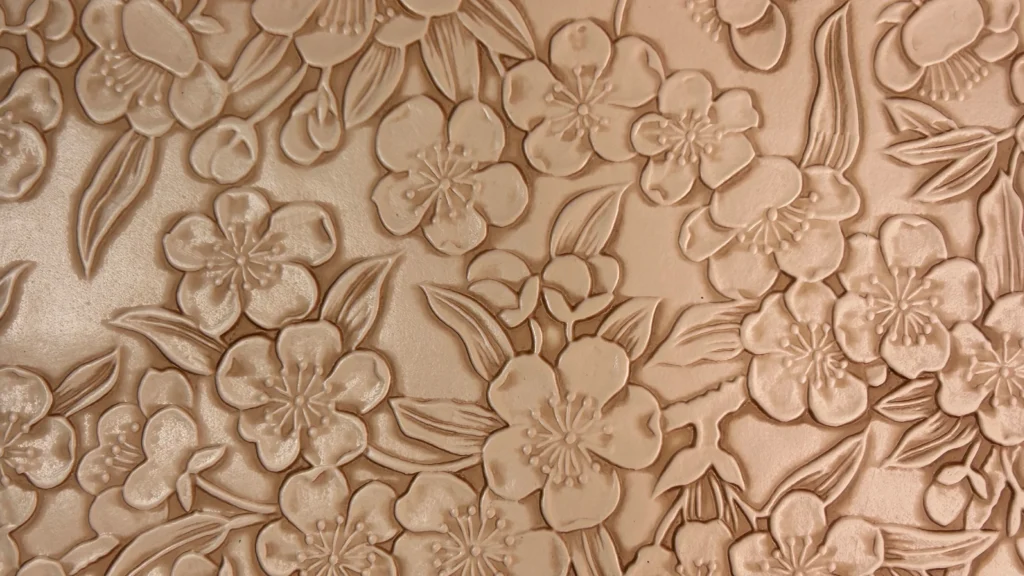
Many buyers want rich textures and strong visual impact, but the wrong material limits design freedom and raises production costs.
PVC synthetic leather offers deeper embossing, more texture variety, better pattern consistency, and lower production costs than PU, making it ideal for bags, book covers, and custom surface applications.
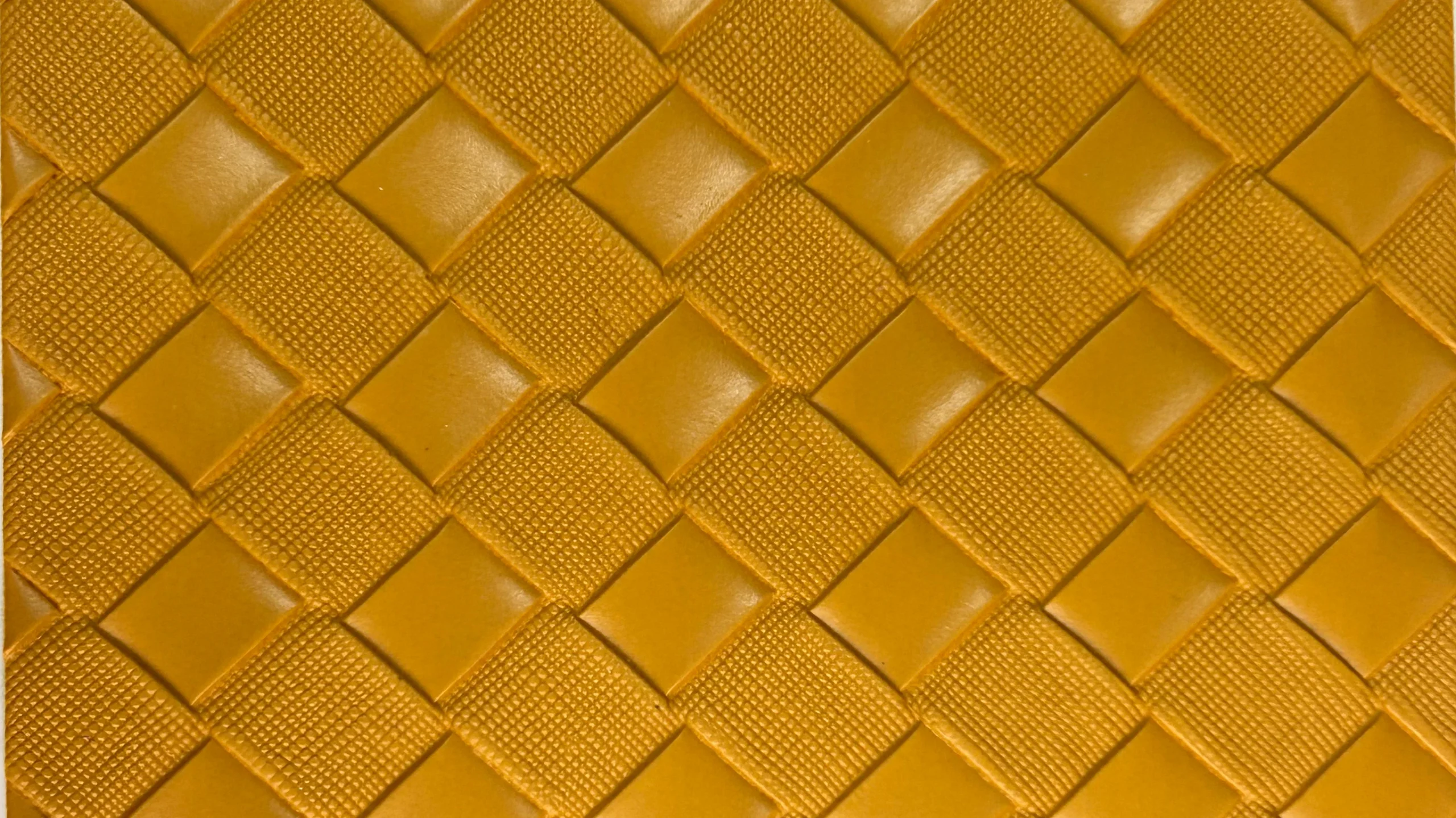
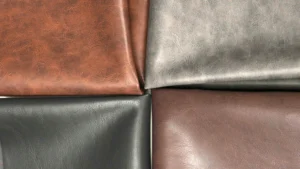
In my work with global buyers, I often see one major challenge: customers want visually striking leather designs while still controlling costs. This is especially common in bags, luggage, notebook covers, packaging, and promotional products. Many buyers first consider PU leather because of its softer hand feel, but when the project demands deeper embossing, special textures, or highly customized surface effects, PVC leather often becomes the superior solution. PVC can produce a much wider range of patterns, from crocodile and ostrich textures to woven surfaces, glossy effects, matte finishes, carbon fiber patterns, and many complex 3D embossed designs. This flexibility allows suppliers like me to better satisfy branding, fashion, and functional design needs.
Why is PVC leather better for embossed texture designs?
Weak embossing can make products look generic, cheap, and visually forgettable.
PVC leather performs better for embossed designs because its stronger thermoplastic properties allow deeper, sharper, and more stable texture formation.
How thermoplastic performance creates superior texture flexibility
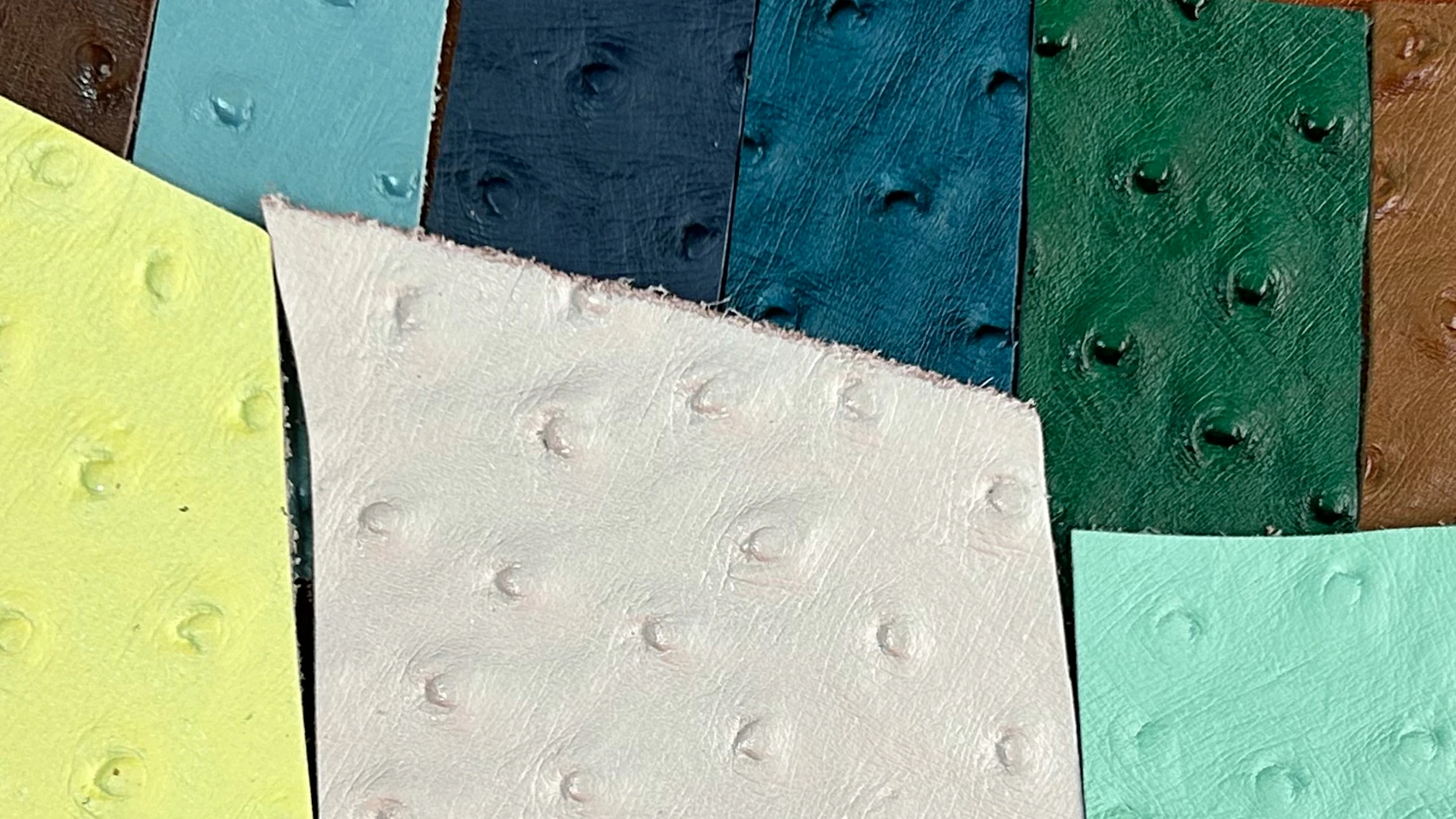
From my production experience, PVC’s greatest advantage is its superior thermoplastic behavior. When heated, PVC softens more effectively than PU, allowing embossing rollers to press much deeper and more intricate patterns into the material surface. This means manufacturers can achieve stronger visual detail and greater texture diversity. For example, PVC can successfully reproduce lychee grain, woven textures, wood grain, carbon fiber effects, crocodile skin, ostrich patterns, and many customized decorative surfaces. This is extremely valuable for buyers who need bold product differentiation. In markets like handbags, backpacks, book covers, and promotional packaging, texture often plays a direct role in consumer perception. The stronger the visual uniqueness, the better the competitive advantage. PVC’s processing characteristics make this possible while preserving production efficiency.
| Feature | PVC Leather | PU Leather |
|---|---|---|
| Embossing depth | Deep | Moderate |
| Pattern complexity | High | Limited |
| Texture stability | Strong | Moderate |
| Mass production consistency | Excellent | Good |
PU vs PVC leather: Which material offers more pattern options?
Choosing the wrong material can reduce product uniqueness and restrict design opportunities.
PVC leather generally offers more pattern flexibility, deeper textures, and wider visual customization than PU leather, especially for commercial and fashion-driven applications.
Why I usually recommend PVC for rich pattern projects
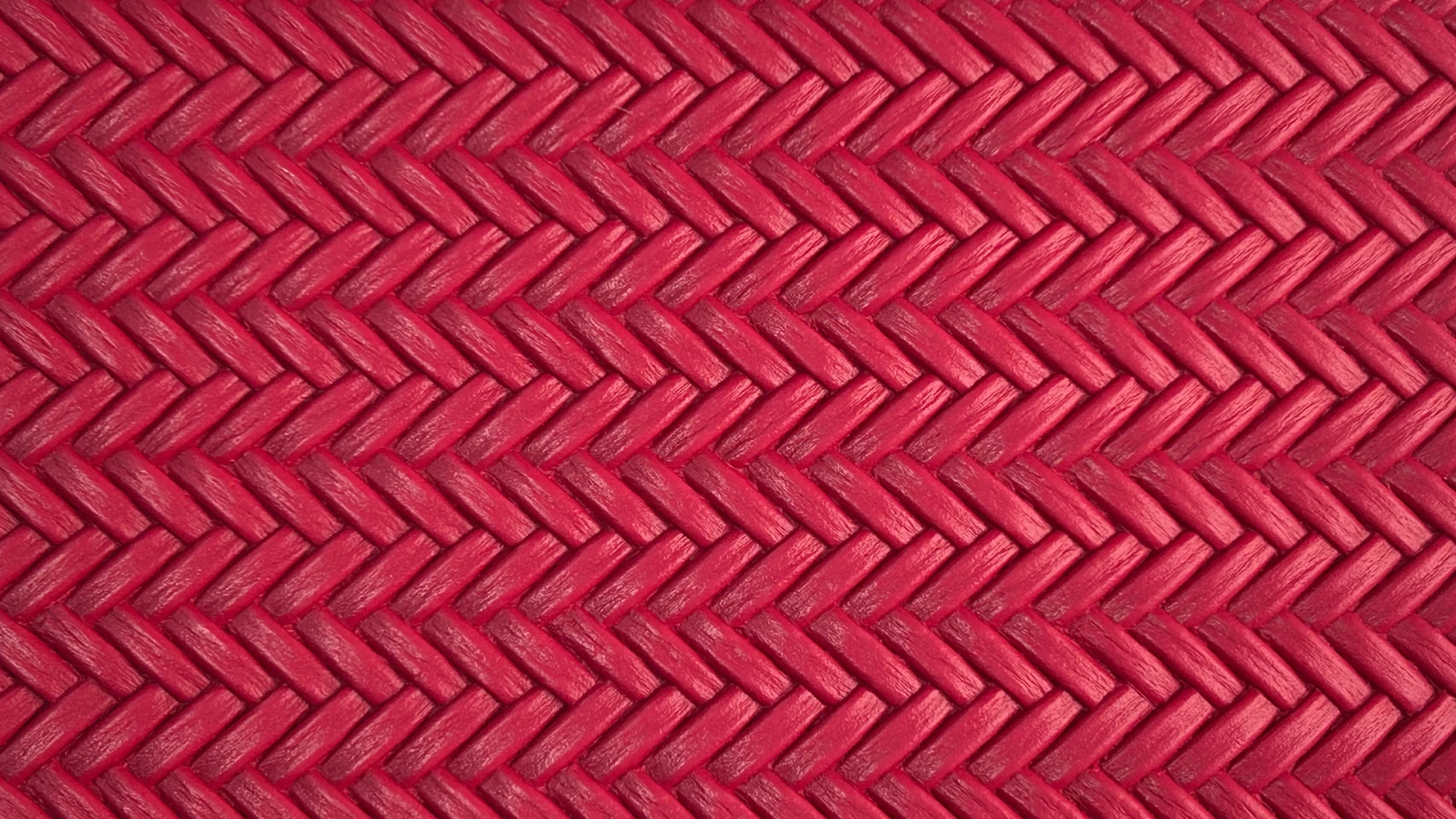
When customers approach me with requests for strong visual effects, complex embossing, or highly decorative product lines, I usually recommend PVC first. PU leather certainly has advantages, especially for softer-touch upholstery and furniture, but for texture diversity, PVC often wins clearly. PVC supports glossy surfaces, matte surfaces, metallic effects, woven textures, and deep animal skin replications more reliably. It also maintains these designs more consistently during high-volume production. This consistency matters greatly for international brands or wholesalers that require repeatable design standards across large orders. If a customer needs strong shelf appeal while controlling manufacturing costs, PVC often provides the best balance. My practical recommendation depends not only on aesthetics but also on scalability and commercial performance.
| Criteria | PVC | PU |
|---|---|---|
| Pattern diversity | Higher | Lower |
| Cost efficiency | Better | Moderate |
| Surface effects | More options | Fewer options |
| Softness | Moderate | Higher |
What products commonly use textured PVC synthetic leather?
Using unsuitable materials can shorten product lifespan and weaken market competitiveness.
Textured PVC synthetic leather is widely used in bags, backpacks, luggage, book covers, notebooks, packaging, and promotional products due to its durability and design versatility.
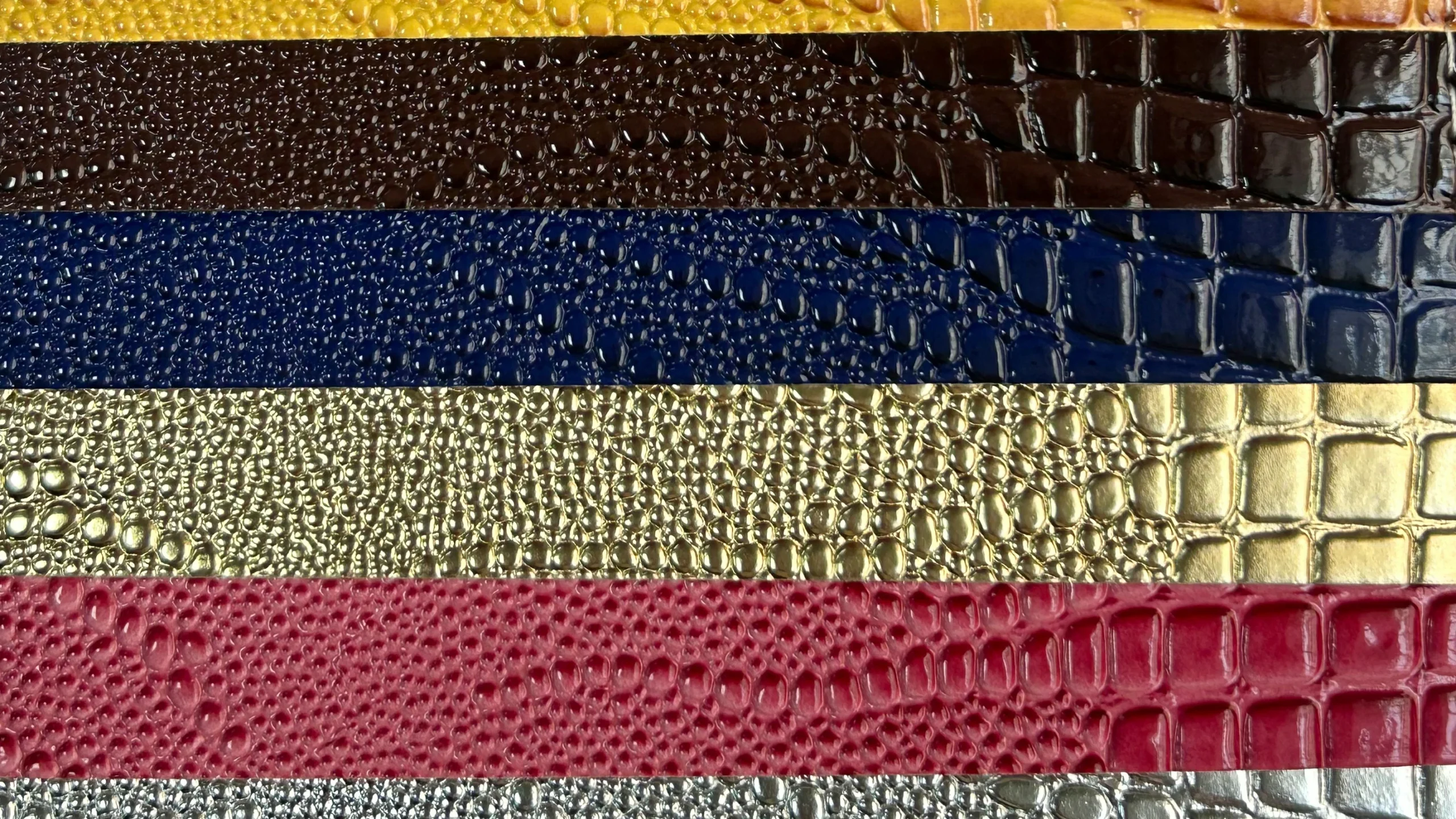
Why PVC performs well in daily-use commercial products
PVC’s non-porous surface gives it another major commercial advantage: stain resistance and easy cleaning. This feature is especially important for products like backpacks, handbags, school bags, luggage, and notebook covers that experience daily wear. Consumers often prioritize both visual design and practical maintenance. PVC leather satisfies both needs well. A crocodile texture handbag can maintain strong luxury appearance. A glossy book cover can preserve color vibrancy. A woven backpack surface can deliver design sophistication while remaining easy to wipe clean. This combination of practicality, affordability, and aesthetic flexibility makes PVC highly attractive for mass-market manufacturing.
| Product Category | Why PVC Works Well |
|---|---|
| Handbags | Luxury patterns + durability |
| Backpacks | Easy cleaning + texture options |
| Book covers | Stable embossing + low cost |
| Luggage | Surface toughness + visual variety |
How to choose PVC leather for bags, book covers, and custom surface designs?
Poor texture selection can cause product mismatch, weak branding, and unnecessary costs.
Buyers should prioritize pattern depth, finish type, target market, cleaning performance, and budget when selecting PVC leather for custom projects.
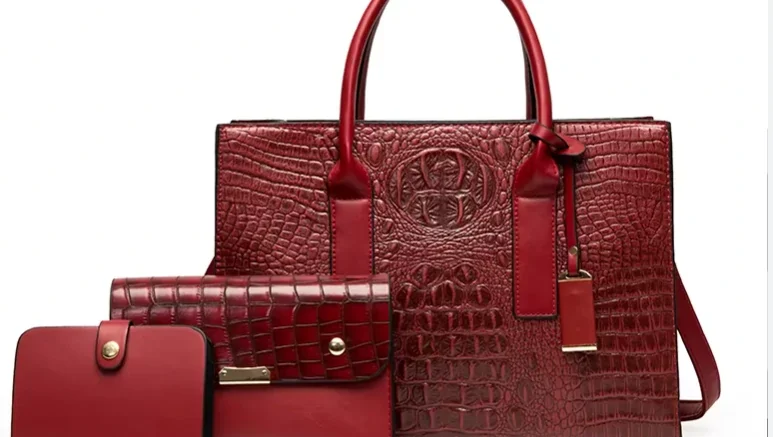
My practical selection method for customer projects
When helping buyers select PVC leather, I first focus on their final product category. If the customer wants premium-looking handbags, I may recommend crocodile, ostrich, or glossy finishes. If they need notebooks or book covers, cross patterns or matte textures often work better because they balance professionalism and durability. For fashion bags, woven textures or carbon fiber effects may create stronger market appeal. I also consider budget. PVC’s lower cost often allows customers to achieve high-end visual effects without premium material expenses. This is one reason PVC remains highly competitive in global wholesale markets. In my experience, understanding the customer’s branding goals is just as important as understanding the technical material itself.
| Selection Factor | Recommendation Focus |
|---|---|
| Texture style | Brand positioning |
| Finish type | Glossy, matte, embossed |
| Product use | Bags, covers, luggage |
| Budget | Cost optimization |
For customers who prioritize deep embossing, rich pattern diversity, stable production consistency, and cost control, PVC synthetic leather remains one of my strongest recommendations. It offers practical design freedom that many other synthetic materials simply cannot match at the same price point.
Conclusion
PVC leather combines texture versatility, cost efficiency, and commercial practicality, making it ideal for richly patterned synthetic leather applications.