
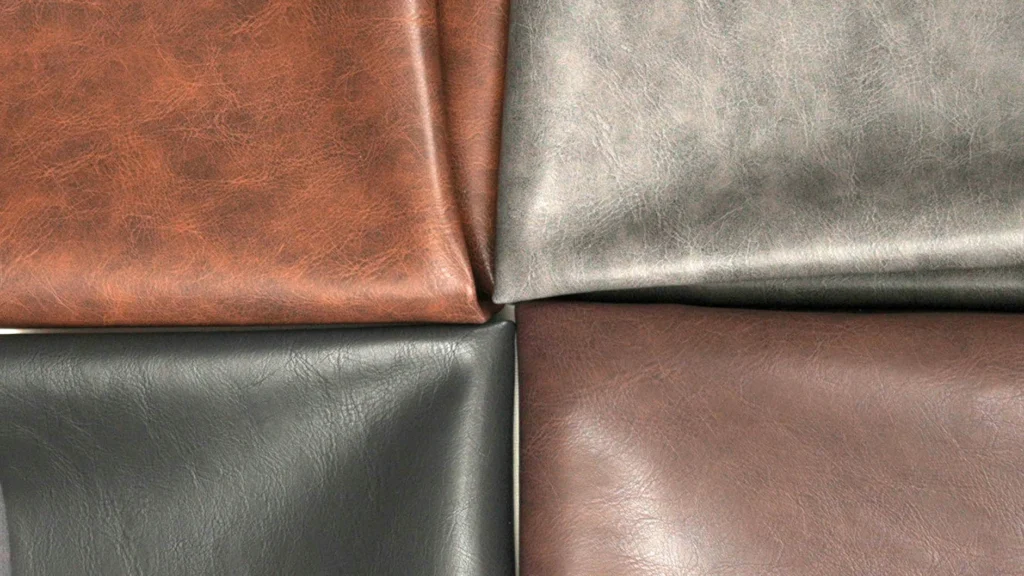
Many buyers choose synthetic leather by price first. Then they face cracking, stiffness, or poor product value later.
PVC leather is cheaper, more waterproof, and more plastic-like. PU leather feels softer, smoother, and more like genuine leather. PVC is practical for waterproof and low-cost products. PU is better for comfort, sofas, bags, and premium upholstery.
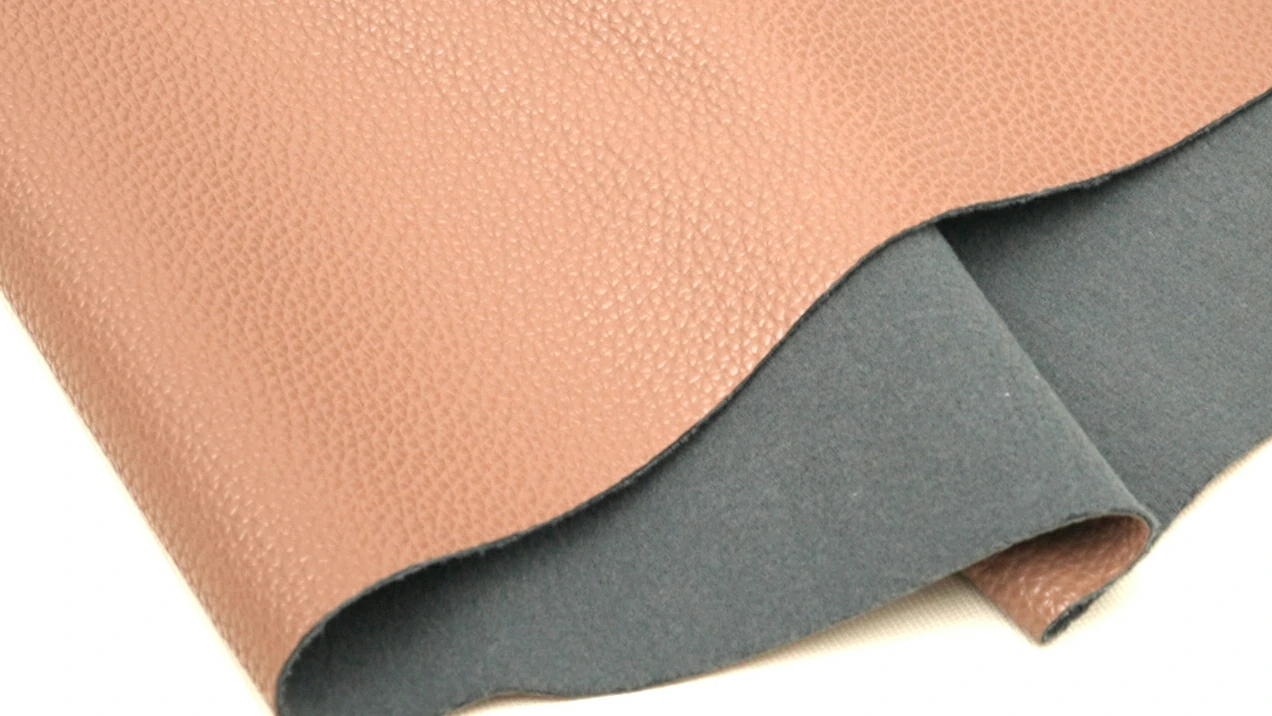
Some buyers may think PVC and PU are nearly the same because both are artificial leather. This idea is common. At first glance, both materials can look similar in photos or product catalogs.
But after more than ten years in synthetic leather and textile exports, I know this material choice can change the final product deeply. I am Nora. I mainly supply PVC leather, PU leather, microfiber leather, and fabric materials to overseas buyers. My work is built on efficient supply chain support from Guangzhou and Shenzhen. My goal is simple. I want to help customers make better material decisions. PVC and PU may both appear in daily life, but their touch, aging behavior, cost, flexibility, and market positioning are very different. A wrong choice can damage product competitiveness. A correct choice can improve customer satisfaction, profit, and long-term trust.
PVC leather vs PU leather: which is better?
Many buyers want one simple answer. But material choice depends on product goals.
PVC leather is better for low-cost, waterproof, and protective products. PU leather is better for soft-touch, leather-like, and comfort-driven products such as handbags, sofas, jackets, and upholstery.
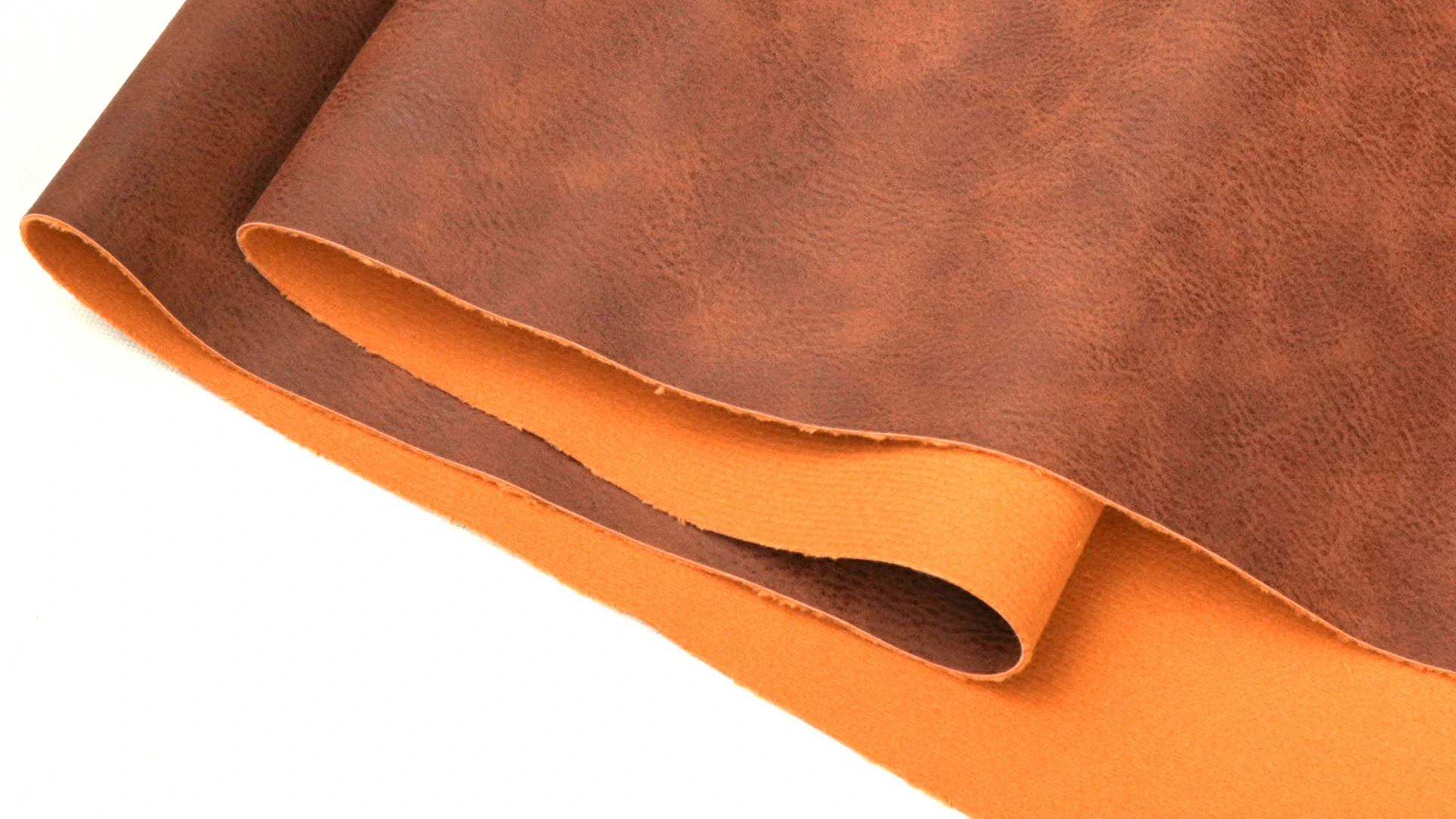
The right material depends on budget and product positioning
In my view, PVC is very close to what many people call soft plastic leather or plastic rubber skin. Around daily life, much of the common waterproof soft plastic material is related to PVC-like properties. Rain boots, raincoats, waterproof gloves, pipes, drainage materials, wallpaper, and flooring often depend on this type of structure. PVC is practical because it is affordable, waterproof, and easy to process. This makes it highly valuable in budget-sensitive production.
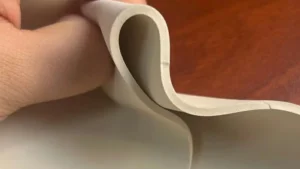
PU is different. PU feels more like advanced imitation leather. It is softer, smoother, and more elastic. It often feels closer to real leather when touched. This makes PU more attractive for products where hand feel matters. Bags, sofa covers, jackets, and furniture upholstery use PU because buyers expect comfort and appearance. If a customer wants a genuine leather-like experience but cannot accept genuine leather pricing, PU becomes a strong alternative.
I do not believe one material is always superior. If the goal is waterproof utility and lower cost, PVC can be very effective. If the goal is softness, comfort, and a premium market image, PU is often better.
| Buyer Requirement | Better Material | Main Advantage |
|---|---|---|
| Low budget | PVC | Lower cost |
| Waterproof function | PVC | Strong waterproof surface |
| Soft hand feel | PU | Better touch comfort |
| Leather-like appearance | PU | Closer to genuine leather |
| Protective industrial use | PVC | Practical and stable |
| Furniture or fashion use | PU | Higher visual and tactile value |
PU vs PVC leather durability: which one lasts longer?
A good appearance today means little if the material fails tomorrow.
PVC can be durable for waterproof and utility use, but it may harden and crack over time. PU can offer better softness and flexibility, but poor PU may peel if quality is weak.
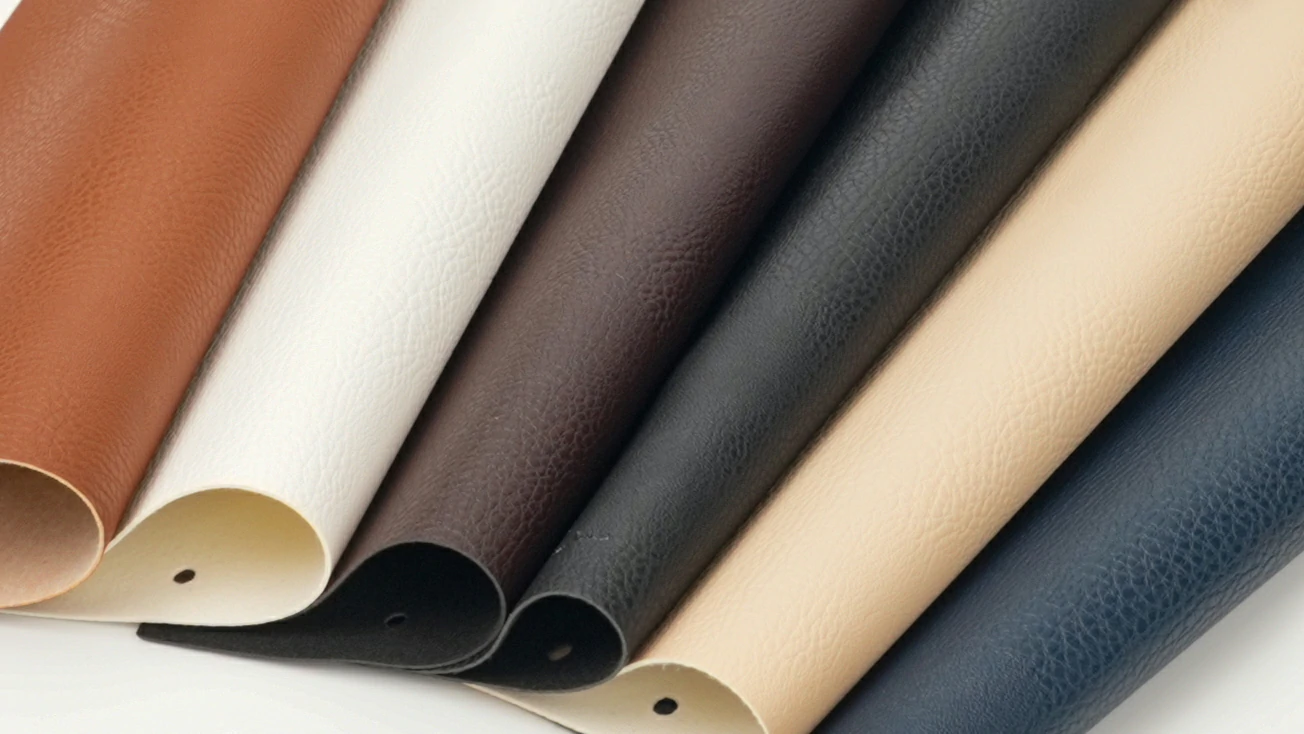
Durability depends on structure, formula, and use environment
Many buyers ask whether PVC or PU lasts longer. I always explain that durability is not decided by the name alone. Formula, thickness, backing fabric, surface treatment, and environmental exposure all matter. A well-made PVC leather can perform strongly in waterproof or protective uses. But lower-grade PVC may become hard with age, especially under heat, sunlight, or folding stress. This hardening can eventually cause cracking.
PU usually provides better flexibility. It can move more naturally with sponge, foam, or upholstery structures. This makes it highly useful in sofas, bags, and seat covers. But low-quality PU may peel if the coating or adhesive system is weak. So PU is not automatically perfect. Quality grade matters greatly.
In my experience, product structure matters as much as material selection. If the backing, adhesive, or production process is poor, even good materials may fail. Buyers should always test finished product samples, not only raw rolls.
| Durability Factor | PVC | PU |
|---|---|---|
| Surface flexibility | Lower | Higher |
| Cracking risk | Higher with aging | Lower if quality is good |
| Peeling risk | Moderate | Depends heavily on coating quality |
| Waterproof use | Strong | Good but variable |
| Comfort applications | Less ideal | More suitable |
Should I avoid PU leather?
Some buyers fear PU because they hear about peeling problems.
You should not avoid PU leather entirely. You should avoid poor-quality PU or unsuitable PU structures. High-quality PU remains one of the best alternatives to genuine leather for many products.
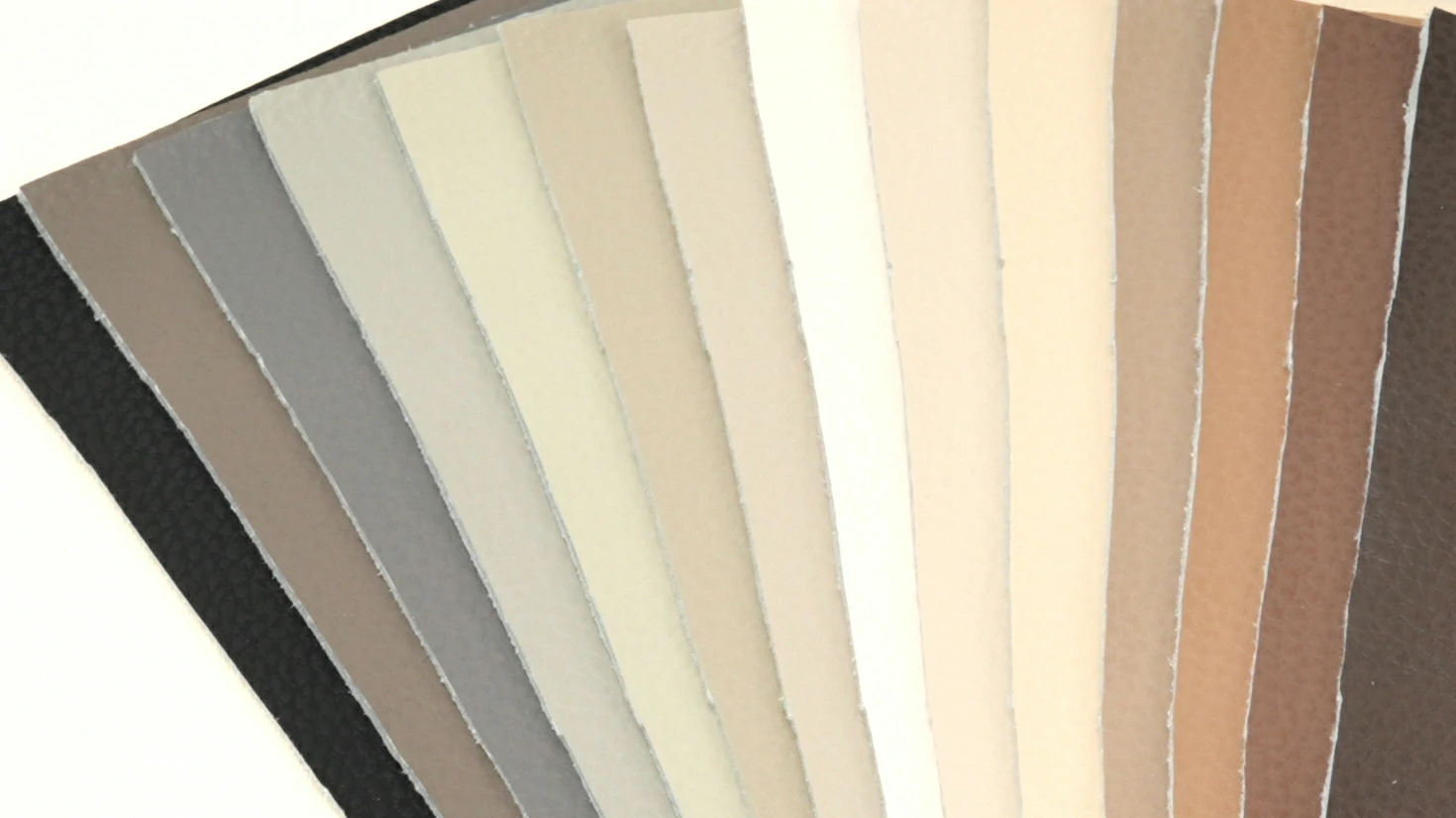
PU leather is highly valuable when quality matches the application
PU leather serves an important role in global manufacturing. It offers a softer, smoother, and more premium feel than many lower-grade synthetic materials. This makes it useful for sofas, handbags, seat covers, jackets, and decorative upholstery.
In my practical view, PU is often the best choice when the customer wants better hand feel but still needs cost control. Genuine leather can be expensive and inconsistent. PU can offer a more stable supply while maintaining strong market appeal. This is why many brands rely on PU.
But buyers must choose carefully. Different PU formulations suit different products. Upholstery PU may differ from bag-grade PU. Garment PU may differ from automotive PU. Buyers should evaluate softness, thickness, abrasion resistance, peeling strength, and backing compatibility before production.
| Buyer Concern | My Recommendation |
|---|---|
| Should all PU be avoided? | No. Only poor-quality PU should be avoided. |
| When is PU useful? | When comfort, softness, and appearance matter. |
| What should be tested? | Peeling resistance, flexibility, touch, and structure. |
| Who benefits most? | Furniture, fashion, upholstery, and bag manufacturers. |
What is PVC synthetic leather?
Many buyers think PVC synthetic leather is only cheap plastic. This view is incomplete.
PVC synthetic leather is an artificial leather made with PVC coating over a fabric base. It offers waterproof protection, easy cleaning, and lower production cost for many industrial and consumer products.
PVC synthetic leather is practical when performance matches the goal
PVC synthetic leather has a major place in modern production because it solves real product needs. It is affordable, waterproof, customizable, and stable. This makes it highly useful in wall covering, flooring, protective covers, industrial use, and some lower-cost consumer goods.
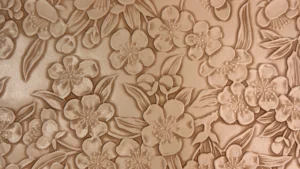
PVC can replicate leather grain, smooth surfaces, or decorative textures. This gives manufacturers flexibility in design. It also offers easier maintenance and lower cost compared to genuine leather or higher-grade synthetic options.
Its main weakness is feel and long-term flexibility. PVC often feels harder than PU. Over time, especially in poor formulas, it may harden or crack. It may also produce a stronger odor during some testing conditions. So PVC is not ideal for every premium product. But for many protective, waterproof, and cost-driven applications, it remains highly practical.
| PVC Synthetic Leather Feature | Buyer Value |
|---|---|
| Lower cost | Good for price-sensitive production |
| Waterproof | Strong protective function |
| Easy cleaning | Suitable for industrial or practical use |
| Plastic-like feel | Less suitable for luxury positioning |
| Wide applications | Useful across multiple industries |
Conclusion
PVC offers waterproof value and low cost. PU offers comfort, softness, and stronger premium appeal.