
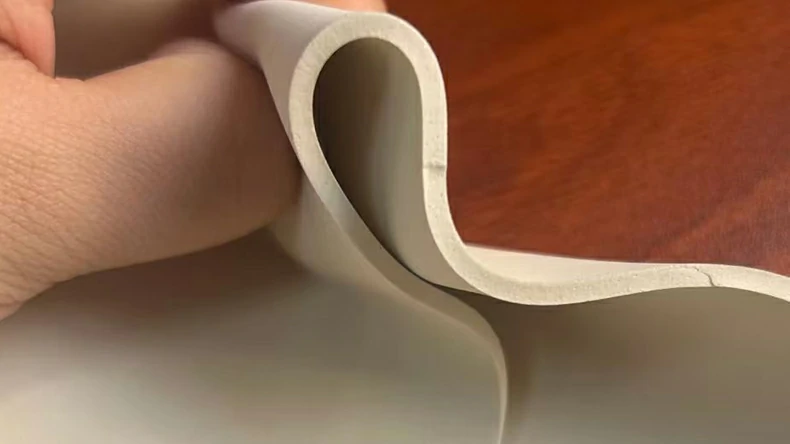
Many buyers compare SBR, NBR, and CR, but the wrong choice can raise cost, reduce flexibility, and cause surface dents.
For most water heater outer protective layers, I usually suggest SBR composite with PVC or PU leather. It offers better cost control, enough flexibility, and easier production than NBR in many normal projects.
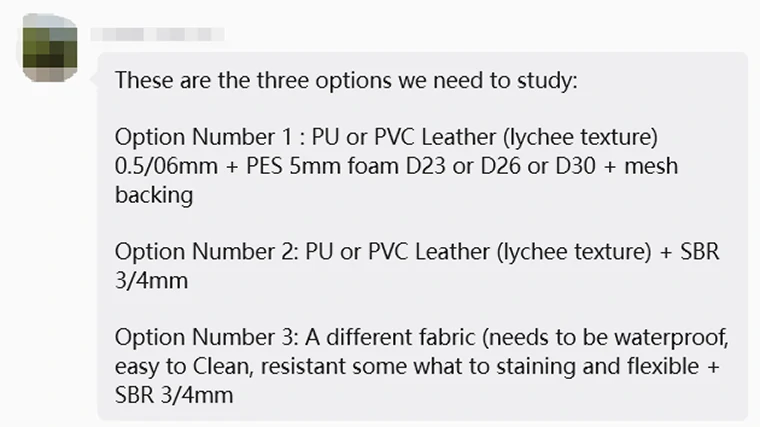
I write this article because I met this question in real production communication. A customer asked us to study different material structures. One option used PU or PVC leather with PES foam and mesh backing. Another option used PU or PVC leather with 3mm or 4mm SBR. The third option used another waterproof and easy-clean fabric with SBR. At first, these choices look similar. But in real manufacturing, the price, elasticity, surface feeling, lamination strength, and glue choice can make a big difference. This is why I do not think water heater manufacturers should only ask, “Which rubber is better?” A better question is, “Which rubber matches the surface material, target price, and final use?”
What is the difference between SBR and NBR?
Many customers think NBR must be better than SBR, but this idea can lead to a higher cost without real added value.
SBR is usually more cost-friendly and suitable for general cushioning and protective use. NBR has better oil resistance, but it is often more expensive and not always needed for water heater outer covers.

My practical view from water heater material selection
From my own experience, NBR is not my first suggestion for most water heater outer protective layer projects. The main reason is price. NBR is normally more expensive than SBR. When the buyer checks the quotation, the higher price may stop the project before they study other possible materials. This is not good for both the buyer and the supplier. Water heater outer covers usually need a soft touch, a clean surface, a certain thickness, and stable lamination. They do not always need strong oil resistance. If the application does not need oil resistance, then the buyer may pay more money for a feature that does not bring clear value. SBR can give enough cushioning and flexibility for many outer cover structures. It can also be laminated with PVC leather or PU leather to create a neat surface. I usually prefer to start with SBR when the customer cares about cost, touch, thickness, and production stability.
| Item | SBR | NBR |
|---|---|---|
| Cost | More cost-friendly | Usually higher |
| Oil resistance | General | Better |
| Water heater outer cover use | Often suitable | Often too costly |
| My suggestion | Good starting option | Use only when needed |
The second point is elasticity matching. The surface PVC leather or PU leather and the inner rubber layer must work together. If the surface layer stretches in one way and the rubber layer rebounds in another way, the final material may show dents, wrinkles, or uneven recovery. I once saw a customer worry about the same denting problem from a previous supplier’s material. In that case, the issue was not only the rubber name. It was also the whole structure. The surface leather, rubber elasticity, foam density, glue, pressure, and lamination temperature all affected the final result. So when I compare SBR and NBR, I do not only compare the material data. I also check whether the complete composite structure can stay flat, soft, and stable after production.
What is the difference between NBR and CR rubber?
NBR and CR both have stronger special properties than SBR, but stronger does not always mean more suitable.
NBR is known for oil resistance. CR is known for better weather resistance and balance. But both can cost more than SBR, so the final choice should follow the real product need.
Why material performance must be linked to the product use
NBR and CR are often discussed when customers want a more “advanced” rubber. I understand this thinking. Buyers want fewer risks. They also want the final material to last longer. But in my work, I always remind customers that a material with better special performance may not be the best commercial choice. NBR has good oil resistance. This is useful in automotive parts, industrial seals, or places with oil contact. But a water heater outer protective layer usually does not touch oil every day. CR has a more balanced performance. It can have better weather resistance and aging resistance than some general rubbers. But it may also increase the total cost. When the project is price-sensitive, this cost difference matters a lot.
| Item | NBR | CR |
|---|---|---|
| Main advantage | Oil resistance | Balanced weather and aging resistance |
| Common concern | Higher price | Higher price than basic options |
| Best use logic | Use when oil contact is important | Use when weather resistance is important |
| For water heater covers | Not always necessary | Possible, but should be tested |
I also pay attention to the lamination process. A rubber sheet does not become a good water heater cover by itself. It must combine well with PVC leather, PU leather, fabric, mesh backing, or foam. The glue choice is very important here. Different glue systems create different bonding strength. Some glue may look fine at the beginning, but the layers may separate after bending, pressing, or long storage. Some glue may bond well, but it may make the surface too stiff. Some glue may react differently with PVC, PU, SBR, NBR, or CR. This means the supplier should not only quote the rubber type. The supplier should also test the surface material, rubber thickness, glue, machine pressure, and final hand feeling together. For me, a stable composite result is more valuable than a material name that sounds stronger.
What are the disadvantages of SBR rubber?
SBR is useful and economical, but it is not perfect. Using it without testing can still create quality problems.
The disadvantages of SBR include weaker oil resistance, possible aging limits, and the need for correct surface matching. For water heater covers, lamination testing is still necessary.
The real risks I check before suggesting SBR
I like SBR for many water heater protective layer projects, but I do not say it is perfect. The first disadvantage is oil resistance. SBR is not as strong as NBR in oil resistance. If the final product will touch oil, grease, or strong chemical liquid, I would not suggest SBR as the first choice. The second disadvantage is aging performance. SBR can work well in many normal indoor uses, but the final performance depends on the formula, surface layer, and production process. If the water heater will be used in a harsh environment, the customer should test heat, humidity, bending, and storage conditions before bulk production. The third disadvantage is surface recovery. If SBR is laminated with PVC or PU leather, the composite material must recover well after pressure. If not, the surface may show dents or marks.
| SBR concern | Possible result | My practical suggestion |
|---|---|---|
| Weak oil resistance | Not suitable for oily environments | Choose NBR if oil resistance is required |
| Aging limits | Performance may drop in harsh conditions | Test heat, humidity, and storage |
| Elasticity mismatch | Dents, wrinkles, or poor recovery | Match PVC or PU leather with rubber rebound |
| Glue sensitivity | Weak bonding or delamination | Test glue strength before bulk order |
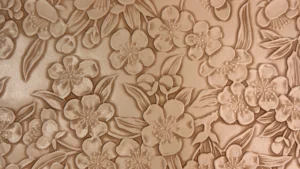
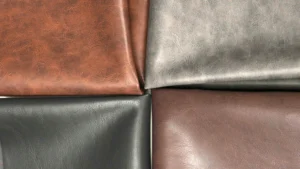
In my opinion, the most important point is not only the SBR sheet. The most important point is the complete composite structure. For example, if the surface is PVC leather with lychee texture, the texture gives a nice look and easy cleaning. But the PVC layer must not fight against the SBR layer when it bends. If the surface is PU leather, the hand feeling may be softer, but the bonding condition may be different. If the customer wants waterproof fabric instead of leather, the glue and flexibility must be checked again. I always suggest making samples first. The sample should be pressed, bent, stored, and checked for surface dents. This simple step can prevent many later problems. SBR is a good material when the structure is correct. It becomes a risk only when people use it without checking elasticity and bonding.
Which rubber material is best for water heater manufacturers?
Choosing the most expensive rubber may look safe, but it can make the product harder to sell.
For many water heater manufacturers, SBR with PVC or PU leather is the best starting choice. It balances cost, thickness, flexibility, and production possibility better than NBR or CR.
My selection method for real orders
When I help a customer choose between SBR, NBR, and CR, I do not start with a fixed answer. I first ask about the target price, surface material, thickness, hand feeling, and use environment. If the customer needs a normal outer protective layer for a water heater, I usually suggest testing SBR first. SBR can be made in 3mm or 4mm thickness. It can be laminated with PVC leather or PU leather. It can also work with some fabric surfaces if the glue is suitable. This structure gives the buyer a practical balance. The product can look good, feel soft enough, and keep the cost under better control. If the customer asks for oil resistance, I will consider NBR. If the customer asks for stronger weather resistance, I will consider CR. But I do not suggest using NBR or CR only because they sound more technical.
| Buyer need | Better starting choice | Reason |
|---|---|---|
| Cost control | SBR | Lower cost and good practical use |
| Oil resistance | NBR | Better for oil-contact conditions |
| Weather resistance | CR | More balanced outdoor performance |
| Water heater outer cover | SBR composite with PVC or PU leather | Good balance of price, touch, and production |
I also believe the surface layer should be selected together with the rubber layer. A 0.5mm or 0.6mm PVC leather surface may look thin, but it can still affect the final flexibility. A lychee texture can make the surface more attractive and easier to clean, but it must not crack or lose shape after bending. A foam layer may improve softness, but it may also change dent recovery. Mesh backing may improve structure, but it may change the hand feeling and total thickness. This is why I prefer a sample-based decision. The buyer can compare SBR with PVC leather, SBR with PU leather, and fabric with SBR. Then the buyer can press the material by hand, bend it, check the surface, and compare cost. This method is simple, but it is much safer than choosing only by material name.
Conclusion
For most water heater covers, I suggest starting with SBR composite, then testing elasticity, glue strength, and surface recovery.