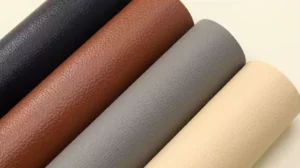

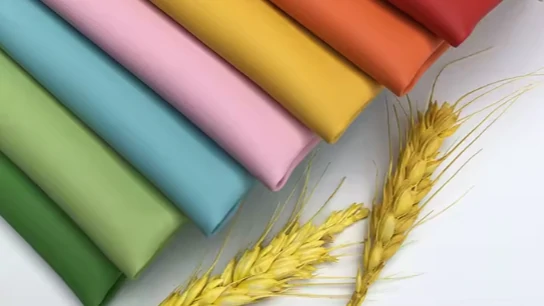
Many people use PVC leather every day but still do not know how this common synthetic material is actually produced.
PVC leather is a plastic-based synthetic leather made from PVC resin, fabric backing, and surface treatment layers. It is widely used because it is waterproof, affordable, easy to clean, and highly customizable.
In my work with synthetic leather materials, PVC leather remains one of the most common and practical materials in the market. Many people also call it PVC artificial leather, PVC synthetic leather, or plastic leather. Unlike genuine leather, PVC leather is not made from animal skin. It is mainly produced from Polyvinyl Chloride (PVC), which is a plastic-based material. Although it cannot completely copy the internal fiber structure of real leather, it can imitate leather appearance very well. Because of its flexibility, waterproof performance, and lower production cost, PVC leather is widely used in furniture, automotive interiors, medical products, bags, and industrial applications.
What is a PVC leather?
Many buyers think PVC leather is real leather because the surface can look very similar.
PVC leather is a synthetic material made from PVC resin, backing fabric, and surface finishing layers instead of natural animal fibers.
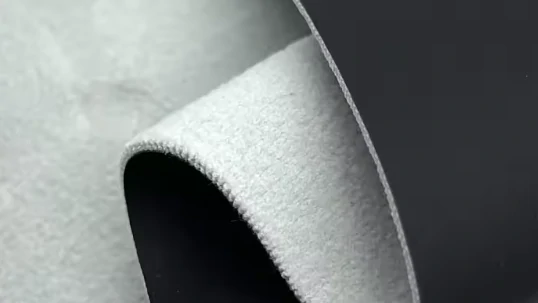
Understanding the basic structure of PVC leather
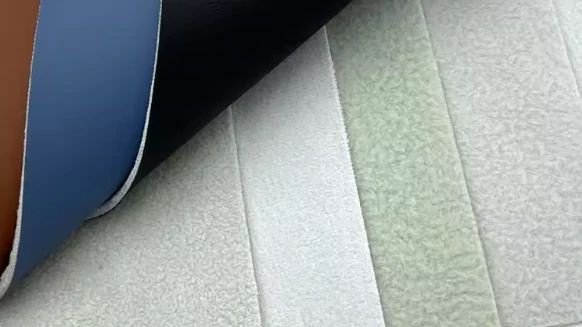
Most PVC leather products contain three main layers. The first layer is the fabric backing layer. Manufacturers usually use knitted fabric, nonwoven fabric, or polyester fabric for structural support. The second layer is the PVC layer itself, which may be foamed or dense depending on the application requirements. The third layer is the surface treatment layer. This layer includes embossing, printing, coating, or texture finishing. Because PVC leather uses a plastic structure rather than natural collagen fibers, it behaves more like an industrial material than natural leather. It can imitate leather appearance very effectively, but it does not develop the soft aging effect that genuine leather gains after long-term use.
| Layer | Function | Common Materials |
|---|---|---|
| Fabric backing | Structural support | Knitted fabric, polyester |
| PVC layer | Main synthetic surface | Foamed or dense PVC |
| Surface treatment | Texture and appearance | Embossing, coating, printing |
What is PVC leather used for?
Using the wrong leather material can increase maintenance problems and product costs.
PVC leather is commonly used in furniture, automotive interiors, bags, shoes, and medical products because it is waterproof, affordable, and easy to clean.
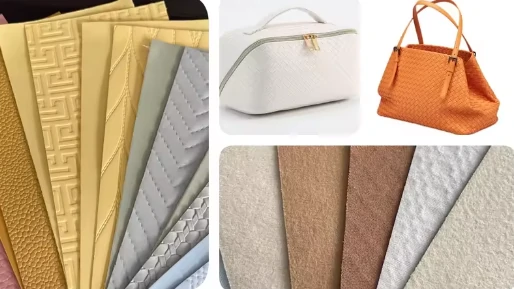
Why PVC leather works well in industrial and waterproof environments
From my experience, PVC leather performs especially well in applications where waterproof performance and easy cleaning are important. In furniture, manufacturers commonly use PVC leather for sofas, dining chairs, and bed headboards. In automotive interiors, it is often used for seat sides, door panels, and dashboard areas. In the footwear industry, PVC leather appears in fashion shoes, rain boots, and economical shoe materials. For bags and luggage, PVC offers strong visual flexibility while keeping production cost low. PVC leather is also widely used in medical environments because its non-porous surface allows easier cleaning and disinfection. Medical beds, examination chairs, and healthcare cushions often use PVC leather because hygiene and waterproof performance are critical requirements.
| Industry | Common Applications |
|---|---|
| Furniture | Sofas, dining chairs, headboards |
| Automotive | Seat sides, door panels |
| Bags and luggage | Backpacks, wallets, suitcases |
| Medical | Medical beds, examination chairs |
What are the cons of PVC leather?
Low-cost materials often come with performance limitations that buyers should understand before purchasing.
PVC leather has disadvantages including weaker breathability, aging and cracking over time, lower cold resistance, and environmental concerns.
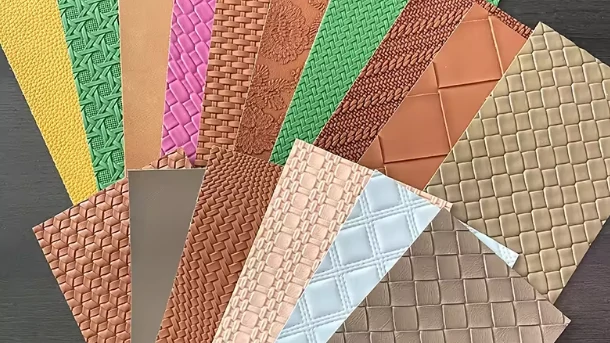
Why PVC leather cannot fully replace genuine leather
Although PVC leather offers many practical advantages, it also has important limitations. First, breathability is relatively poor because PVC is a plastic-based material without natural pores. In hot conditions, this can reduce seating comfort. Second, PVC leather can become brittle and crack after long-term exposure to sunlight, humidity, or harsh environments. Third, low-temperature resistance is weaker compared with some advanced synthetic materials. Lower-grade PVC may harden more quickly in cold climates. Environmental concerns also exist because PVC production and disposal involve chemical processing. These disadvantages do not make PVC unusable. Instead, they mean buyers should choose PVC leather carefully based on the actual environment and product purpose.
| Disadvantage | Impact | Common Risk |
|---|---|---|
| Poor breathability | Lower comfort | Hot environments |
| Surface aging | Cracking over time | Strong sunlight |
| Weak cold resistance | Material hardening | Cold climates |
| Environmental concerns | Chemical criticism | Sustainability requirements |
How is PVC leather made?
Many people see finished PVC leather products but never understand the production methods behind them.
PVC leather is mainly produced through calendering or release paper processes involving coating, embossing, foaming, lamination, and surface finishing.
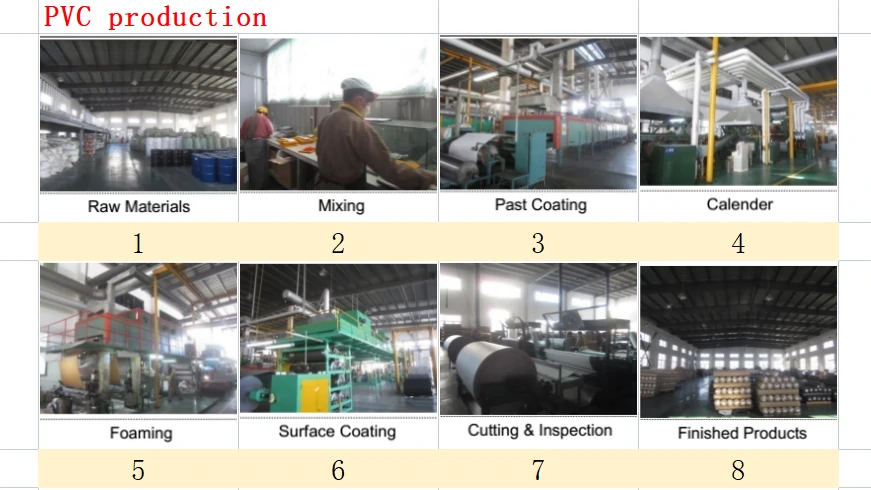
The calendering production process
The first common production method is the calendering process. Manufacturers first mix PVC resin, pigments, plasticizers, and additives into a stable material compound. Then a semi-dry PVC film layer is laminated onto the backing fabric. This creates the PVC base skin, which includes both the surface PVC layer and bottom fabric. After this step, the material enters a high-temperature foaming production line. During this process, the PVC layer expands and becomes thicker. In some cases, the final PVC thickness may become twice the thickness of the original base layer. After foaming, embossing rollers made from steel or ceramic transfer textures onto the PVC surface. Each roller contains a unique texture pattern, similar to a mold. Finally, manufacturers apply surface finishing treatments such as printing, coloring, or coating.
The release paper production process
The second production method uses release paper technology, which is also common in semi-PU leather production. Release paper is a special textured paper that transfers its surface pattern onto the PVC layer. Manufacturers first mix PVC materials into a liquid state, then coat the material onto the textured release paper. Depending on the application requirements, the PVC layer may be foamed or non-foamed. After forming the PVC layer, adhesive is applied onto the backing fabric. Then the PVC layer and backing fabric are laminated together. Finally, the release paper is peeled away, transferring its texture onto the PVC surface. This process allows more detailed and decorative surface effects.
| Production Method | Main Feature | Result |
|---|---|---|
| Calendering | Foaming and embossing | Thicker PVC textures |
| Release paper | Texture transfer | Detailed surface patterns |
What is the lifespan of PVC leather?
Many customers focus only on price and ignore long-term durability performance.
PVC leather usually lasts between 2 and 5 years depending on quality level, environment, and maintenance conditions.
What affects PVC leather service life
From my experience, PVC leather lifespan depends heavily on environment, product quality, and maintenance habits. In harsh outdoor conditions, low-grade PVC leather may become brittle within one or two years. Strong sunlight, humidity, temperature changes, and poor maintenance all accelerate material aging. However, higher-quality PVC synthetic leather with proper care can maintain good performance for over five years. Indoor furniture applications often experience longer lifespan because environmental stress is lower. In medical and industrial environments, cleaning chemicals and disinfectants may also influence durability. This is why choosing the correct PVC formulation and thickness is extremely important for long-term performance.
| Usage Environment | Expected Lifespan |
|---|---|
| Harsh outdoor use | 1–2 years |
| Standard indoor use | 2–5 years |
| High-quality maintained PVC | 5+ years |
In my opinion, PVC leather remains one of the most practical synthetic materials for waterproof, industrial, medical, and budget-sensitive applications because it combines affordability, flexibility, and strong production adaptability.
Conclusion
PVC leather offers waterproof performance, low cost, and design flexibility, making it highly practical across many commercial industries.