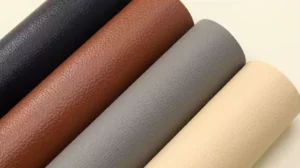

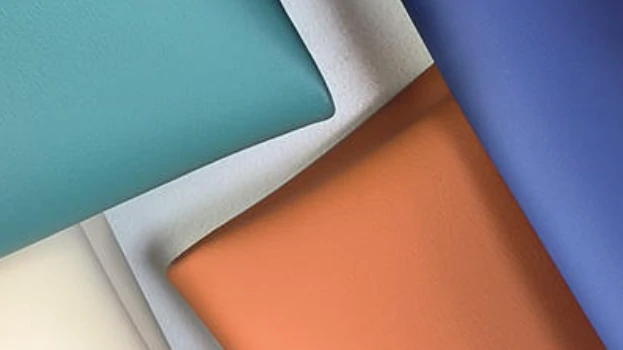
Poor seat materials often crack, wear out fast, and reduce interior quality in cars.
Microfiber leather is an advanced synthetic leather made from ultra-fine fiber nonwoven structure and PU resin, offering higher durability, better flexibility, and a leather-like feel that makes it a strong alternative to genuine leather in automotive interiors.
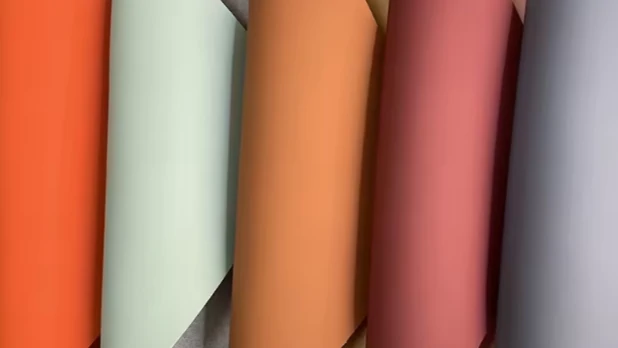
In my experience working with automotive and furniture materials, microfiber leather is one of the most advanced PU-based synthetic leathers used today. It is widely recognized as ultra-fiber PU leather. It is not a simple coating material. It is built from a three-dimensional fiber network formed by ultra-fine fibers through carding and needle punching. Then it goes through wet processing, PU resin impregnation, alkali reduction, sanding, and finishing. This complex process creates a structure that is much closer to real leather compared with standard PU leather. Because of this structure, microfiber leather performs very well in real automotive environments where abrasion, folding, and long-term usage are constant challenges.
What is microfiber leather and how is it made?
Low-quality seat materials often fail because they cannot replicate real leather structure.
Microfiber leather is made from a 3D ultra-fiber nonwoven base combined with PU resin, creating a dense structure that mimics natural leather fiber layers.
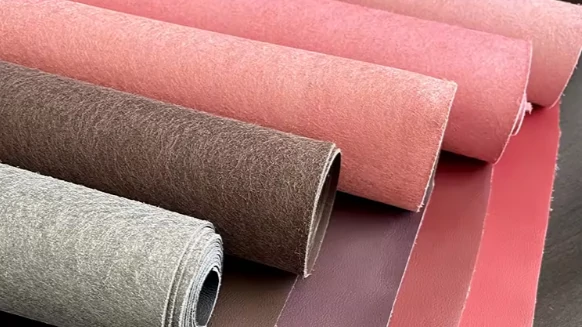
How the production structure defines performance
Microfiber leather is different from normal PU leather in its base structure. Standard PU leather usually uses a fabric base coated with PU resin. In contrast, microfiber leather uses a three-dimensional ultra-fiber network as its base. This structure is created through carding and needle-punching processes, forming a dense and stable internal skeleton. After that, PU resin is impregnated into the structure through wet processing techniques, followed by alkali reduction, sanding, and surface finishing. This combination creates a material that behaves more like natural leather in terms of strength, flexibility, and durability. The production process is more complex, which is why microfiber leather has a higher cost but significantly better performance in demanding applications like automotive seating.
| Material Type | Structure | Performance Level |
|---|---|---|
| PU Leather | Fabric + PU coating | Standard |
| Microfiber Leather | 3D fiber network + PU resin | High |
| Genuine Leather | Natural collagen fiber | Very high |
How long will microfiber leather last?
Short lifespan materials often lead to cracking, peeling, and expensive replacement.
High-quality microfiber leather used in automotive seats can last over 5 years or longer depending on usage conditions and maintenance.
Why durability is stronger than standard PU leather
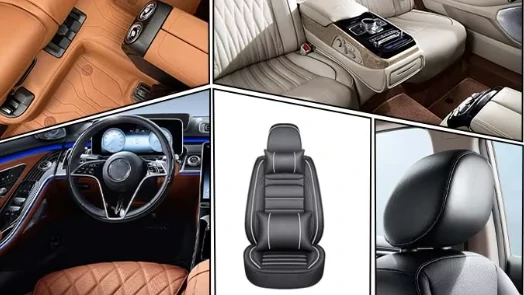
From my observations in automotive applications, microfiber leather has significantly better durability compared to standard PU leather. It resists puncture, tearing, bending fatigue, and surface abrasion much more effectively. This is because its internal fiber structure distributes stress more evenly, instead of relying only on a surface coating. In real car seat usage, seats are constantly exposed to friction, body weight pressure, temperature changes, and repeated folding. Microfiber leather maintains its structure under these conditions much longer than conventional PU materials. This is why many manufacturers consider it a long-term solution for automotive interiors where both appearance and performance stability are required over several years of use.
| Property | Microfiber Leather | PU Leather |
|---|---|---|
| Abrasion resistance | High | Medium |
| Tear resistance | High | Medium |
| Service life | 5+ years | 2–4 years |
| Flex durability | Excellent | Average |
Is microfiber leather better than genuine leather?
Traditional leather may look premium, but it is not always the most practical choice.
Microfiber leather offers similar aesthetics to genuine leather while providing better consistency, lower cost, and higher resistance to wear in automotive use.
Why many automotive projects are shifting from real leather
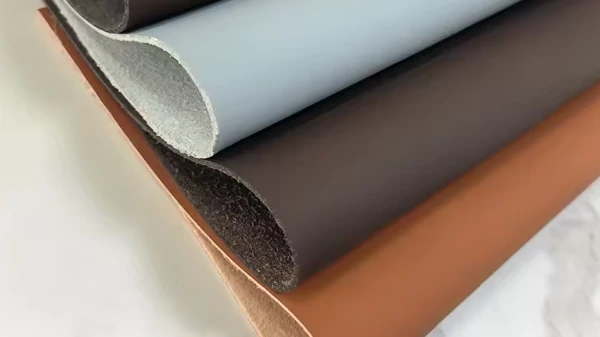
In automotive interiors, I often see a shift from genuine leather to microfiber leather because of performance stability and cost control. Genuine leather has natural advantages such as breathability and luxury feel, but it also has limitations like inconsistency in texture, higher cost, and sensitivity to environmental conditions. Microfiber leather, on the other hand, provides more stable production quality and more consistent surface appearance. It also performs better in abrasion resistance and structural stability under repeated use. In many mid-to-high-end automotive projects, microfiber leather is now chosen because it balances luxury appearance with industrial performance requirements. It allows manufacturers to achieve a leather-like aesthetic while improving long-term reliability and reducing material variation issues.
| Factor | Microfiber Leather | Genuine Leather |
|---|---|---|
| Consistency | High | Medium |
| Cost | Lower | Higher |
| Durability | High | Medium |
| Luxury feel | High | Very high |
What are the disadvantages of microfiber leather?
No material is perfect, and microfiber leather also has limitations.
Microfiber leather has higher production cost, more complex manufacturing process, and requires strict quality control compared with standard PU leather.
Where microfiber leather faces limitations in real applications
Although microfiber leather offers strong performance advantages, it is not without disadvantages. The first limitation is cost. Because of its complex production process, including fiber network formation and multiple finishing stages, its price is higher than standard PU leather. The second limitation is manufacturing difficulty. The production process requires strict control over fiber structure, resin penetration, and surface finishing. Any inconsistency can affect final performance. The third limitation is that not all applications require such high performance. For low-cost products or short-term usage items, microfiber leather may be an over-specification solution. However, in automotive interiors where durability, appearance stability, and comfort are critical, these disadvantages are often justified by its long-term performance benefits.
| Disadvantage | Impact | Reality in Industry |
|---|---|---|
| Higher cost | Increases project budget | Acceptable for premium use |
| Complex production | Harder quality control | Requires stable suppliers |
| Over-spec for simple products | Unnecessary cost increase | Not needed for low-end goods |
In my experience, microfiber leather is not just an upgraded PU material. It is a structural evolution that brings synthetic leather much closer to real leather performance in automotive applications.
Conclusion
Microfiber leather combines durability, stability, and leather-like performance, making it a strong automotive interior material choice.